Affirm
A self-service deal platform that cut routine updates from days to under 20 minutes.
Role
Product designer
(contract via Gauge)
Team
Senior product designer
In-house engineering team
2 product managers
Affirm stakeholders
Timeline
6 months
(December 2024 - June 2025)
Overview
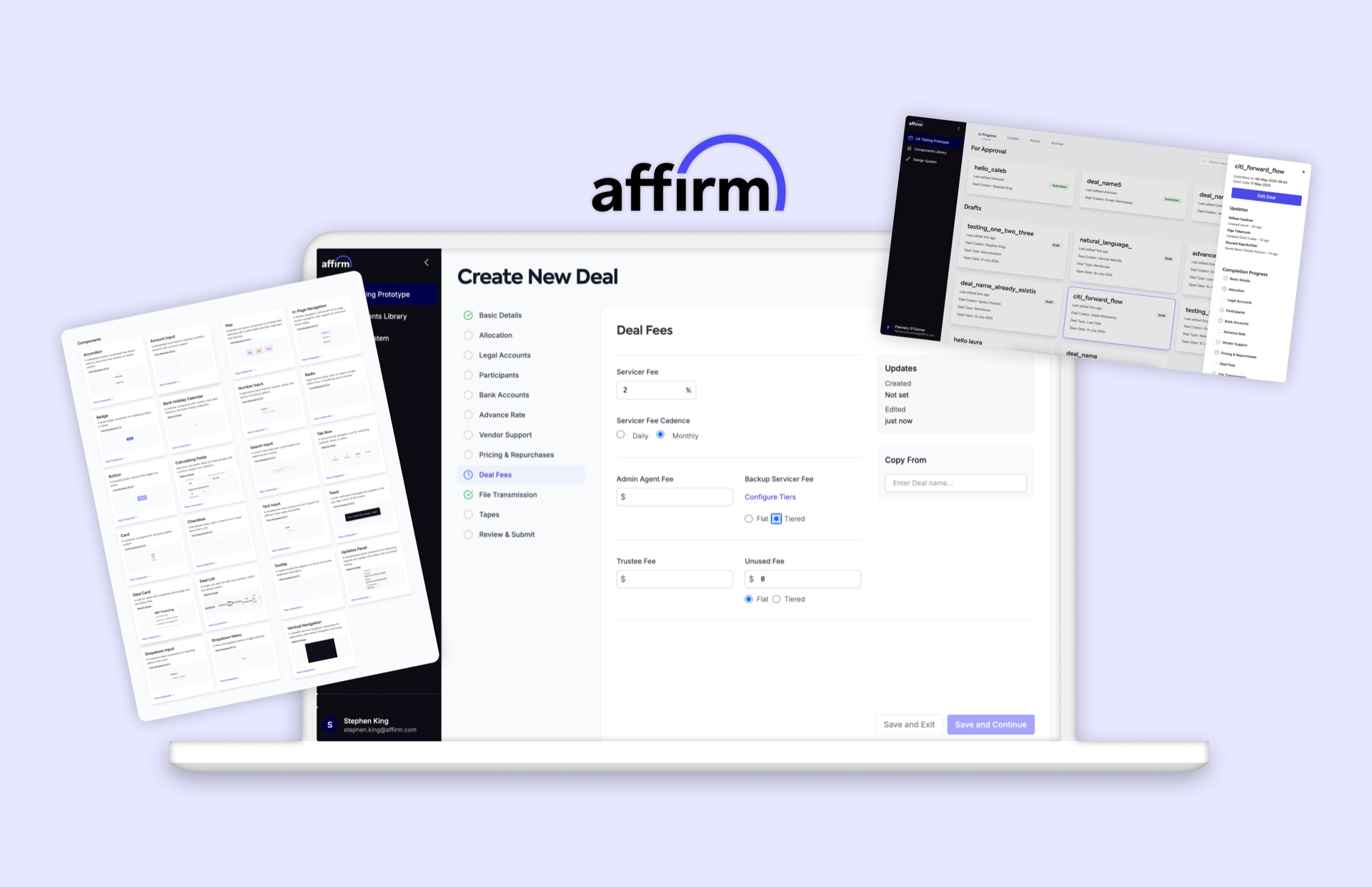
Affirm's Capital team manages multi-million dollar deals with major banks internationally to acquire capital for Affirm to support the buy-now-pay-later model.
The Problem
Any change to a deal required engineering support, creating a bottleneck that slowed the Capital team's business deals and the engineers' efficiency.
What I did
- Built core interaction flows
- Expanded an internal component library
- Demonstrated feasibility via Cursor prototype
Results
- Reduced deal updates from multiple business days to under 20 minutes
- Changed the bulky, engineer-dependent deal flow to a self-service kiosk
The prototype was handed off to Affirm's in-house team for full-scale development.
Access the full process
Details of this project are protected. Enter a password to view them.
Need assistance? Email me
The Outcome
We tested the prototype with members of Affirm's Capital team. For a routine deal update, here's what changed:
Testing also validated the reorganized navigation and save-and-exit functionality, both of which users flagged as immediate improvements. The prototype was handed off to Affirm's in-house team for full-scale development, with the component library serving as the engineering foundation.
Reflections
This project asked me to do several things simultaneously: learn a new domain, design for users whose expertise far exceeded mine, and use AI as a collaborator in a way I hadn't before.
Designing for users who know more than you
The Capital team members I was designing for understood their domain deeply: the mechanics of the deals, the language, the edge cases. I didn't, not at first. What I learned was that earning their trust meant demonstrating that I understood their workflow, even if not the underlying finance. The redesign reflects that shift. The original tool was organized around data structures that made sense to engineers; the new one is organized around how the Capital team actually thinks about their work. Getting there required paying close attention in stakeholder sessions and asking questions that probably sounded basic. The answers shaped every navigation decision I made.
Designing out loud with AI
Working with Cursor changed how I think about my role as a designer. When an AI is generating code from your prompts, the design lives in how precisely you can describe your intent and in your ability to evaluate whether the output matches it. I found myself being more explicit about decisions I'd previously made on instinct: why this component behaves this way, what the conditional logic should be at each step, how state should change on user action. Explaining my process to an AI collaborator made me more deliberate about it.
It also required enough programming literacy to evaluate output quality. I didn't write the code, but I needed to recognize when the structure was clean and when it would create problems downstream. That technical legibility, understanding what good code looks like without being able to write it, turned out to be as important as the design work itself.
VIEW MORE PROJECTS
2025
Affirm
A self-service deal platform that cut routine updates from days to under 20 minutes.
Interaction Design | AI Prototyping | B2B
2026 - Present
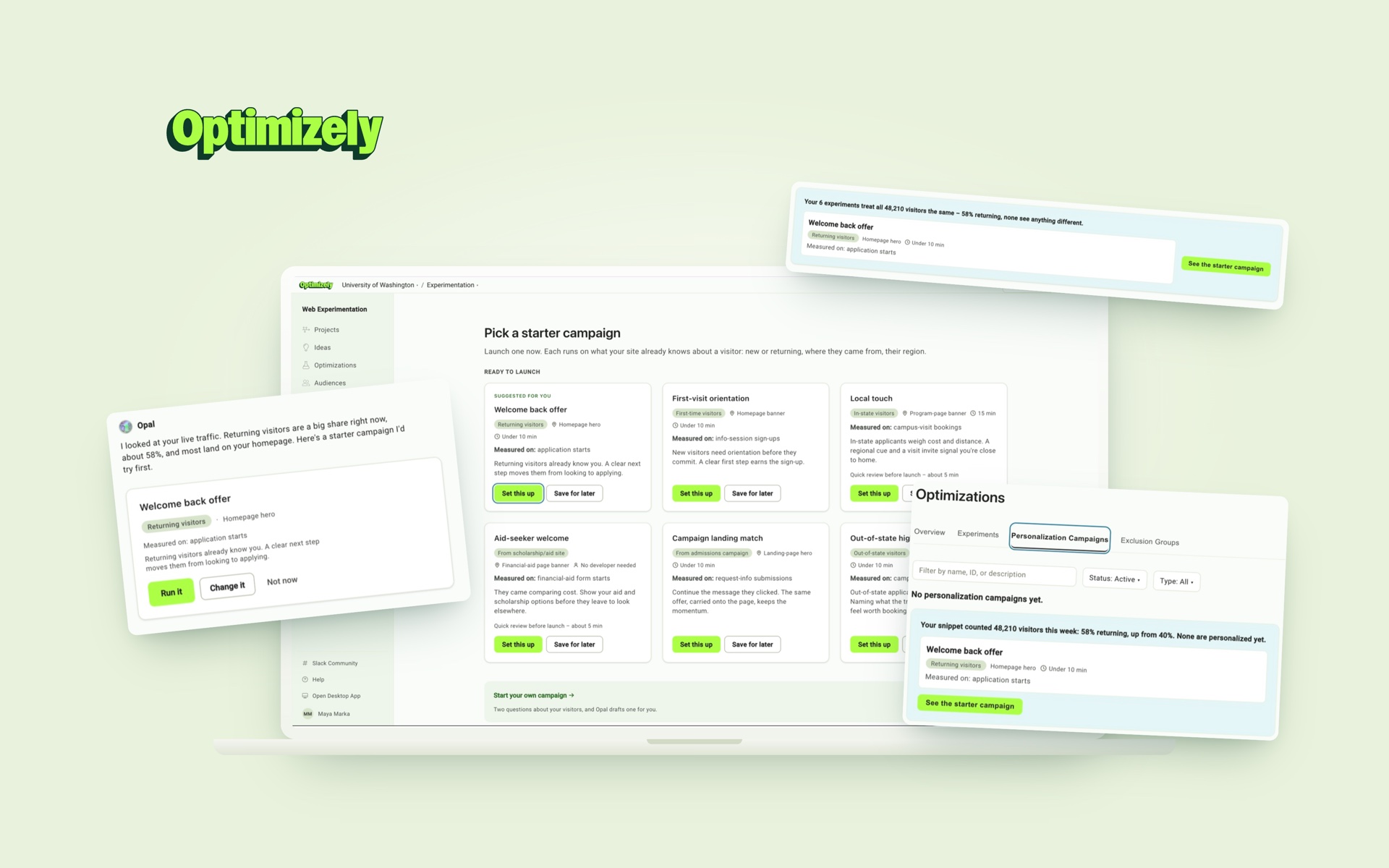
Optimizely: Opal AI
Designing how AI agents embed into marketer workflows.
AI Workflows | Masters Capstone

2022 - 2025
SuperWorks
Brand identities, design systems, and hand-coded sites across three years of agency client work.
Brand Identity | Web Design | Visual Design
2025
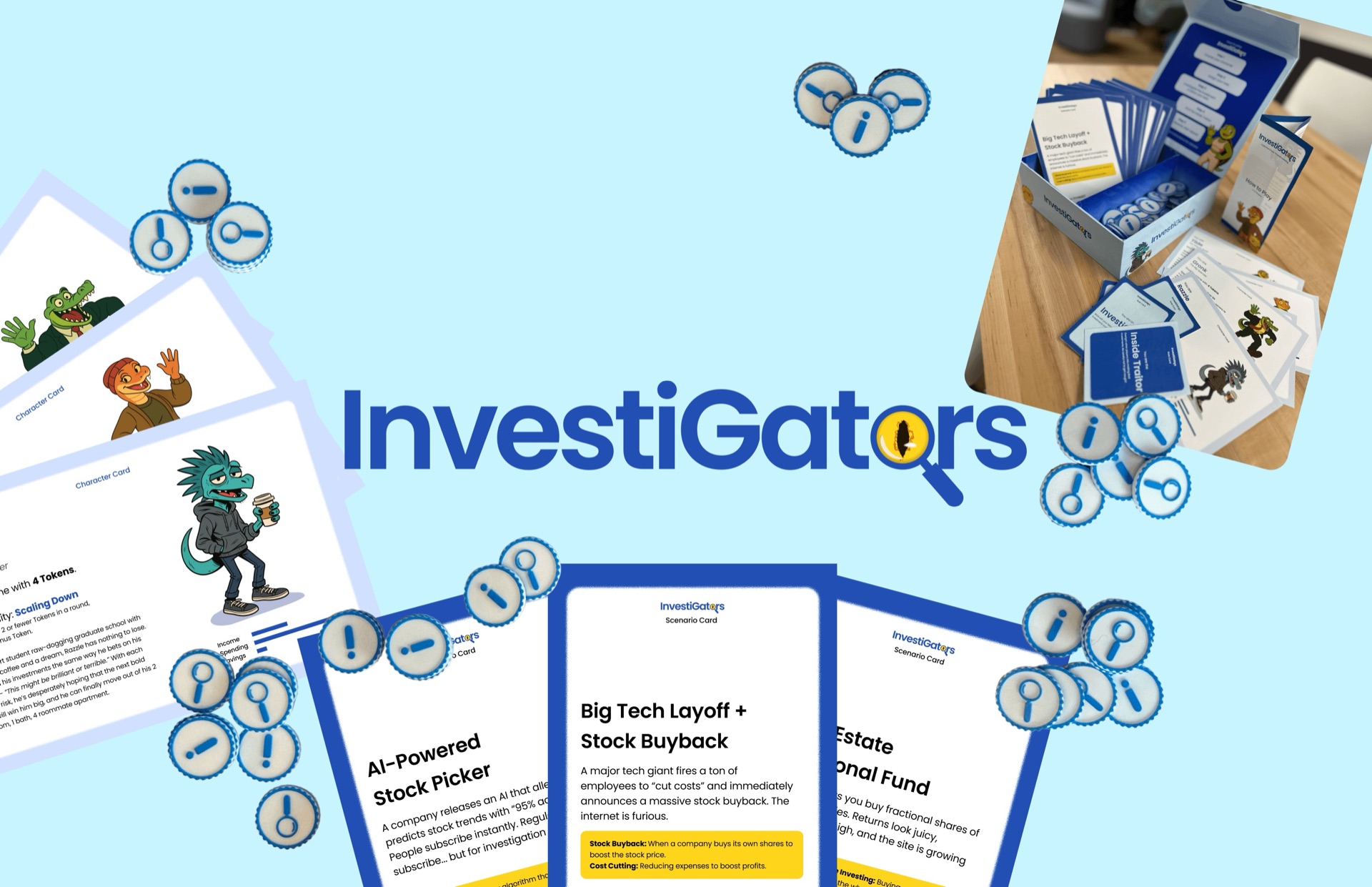
InvestiGators
A social investing card game, from concept to boxed product in one month.
Product Design | Game Design | Masters Project
2026 - Present
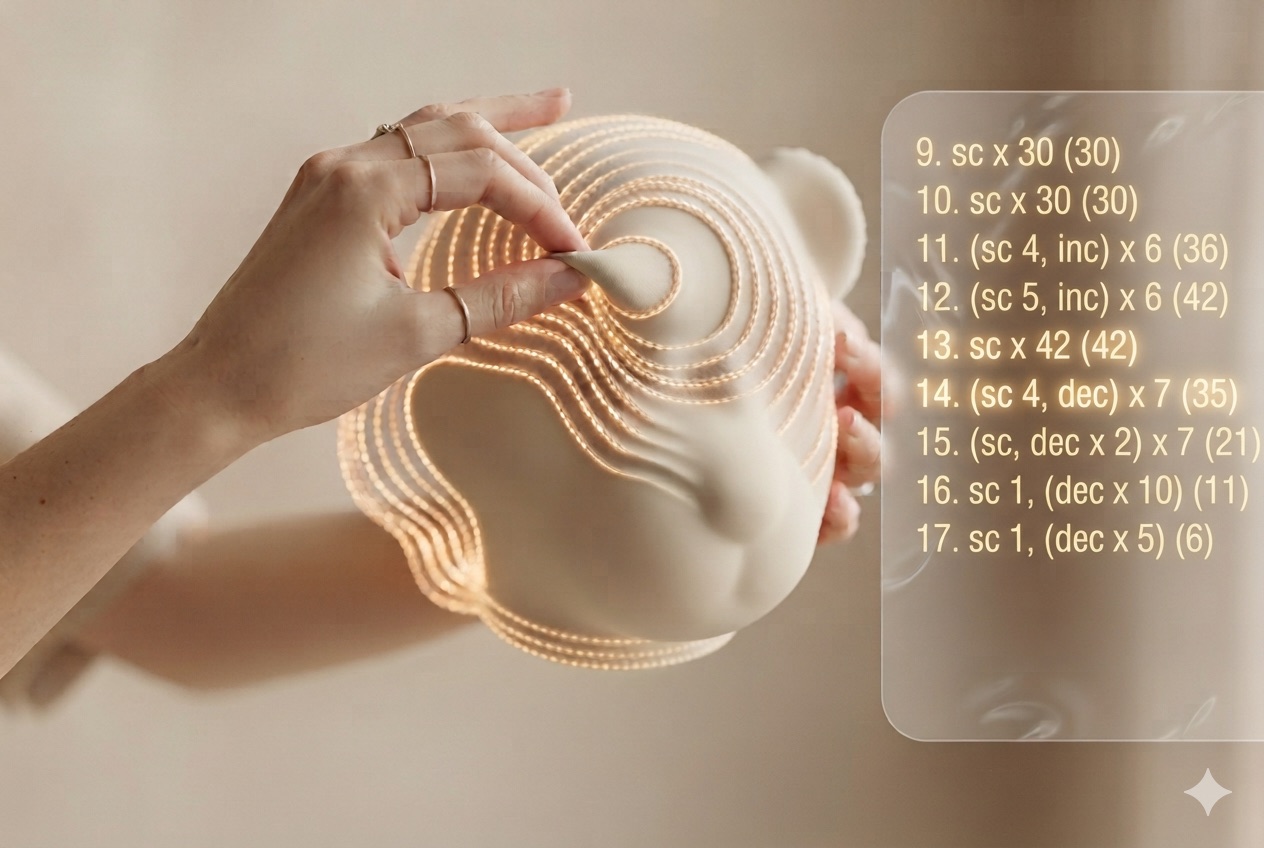
Amigurumi Pattern Studio
A browser-based 3D editor that turns sculpted shapes into crochet patterns, validated stitch by stitch.
Product Design | 3D Tool Design | Systems Design
2022 - Present
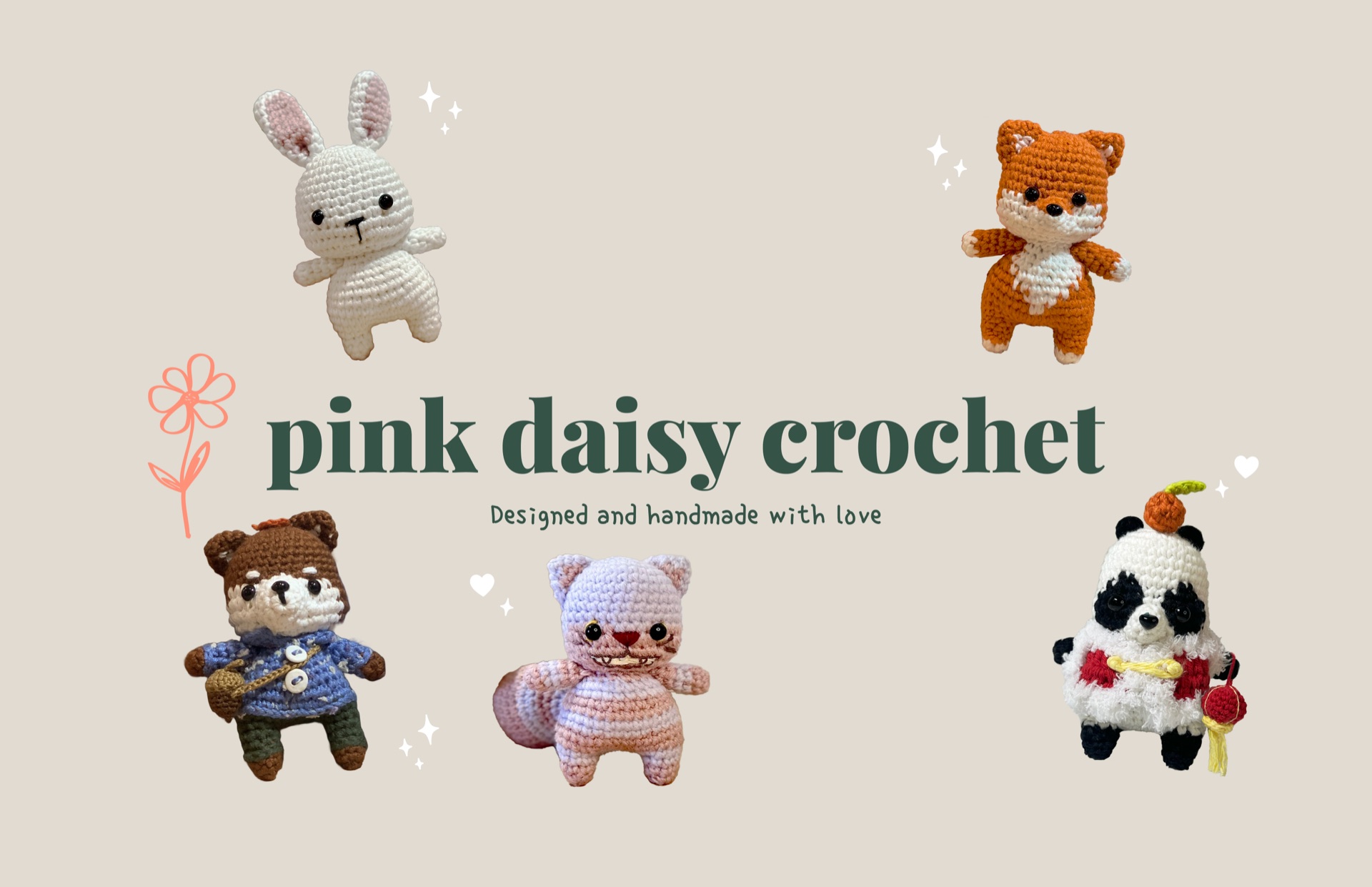
Pink Daisy Crochet
A quarantine crochet hobby grown into a small business of characters, patterns, and an Etsy shop.
Entrepreneurship | Branding
2022
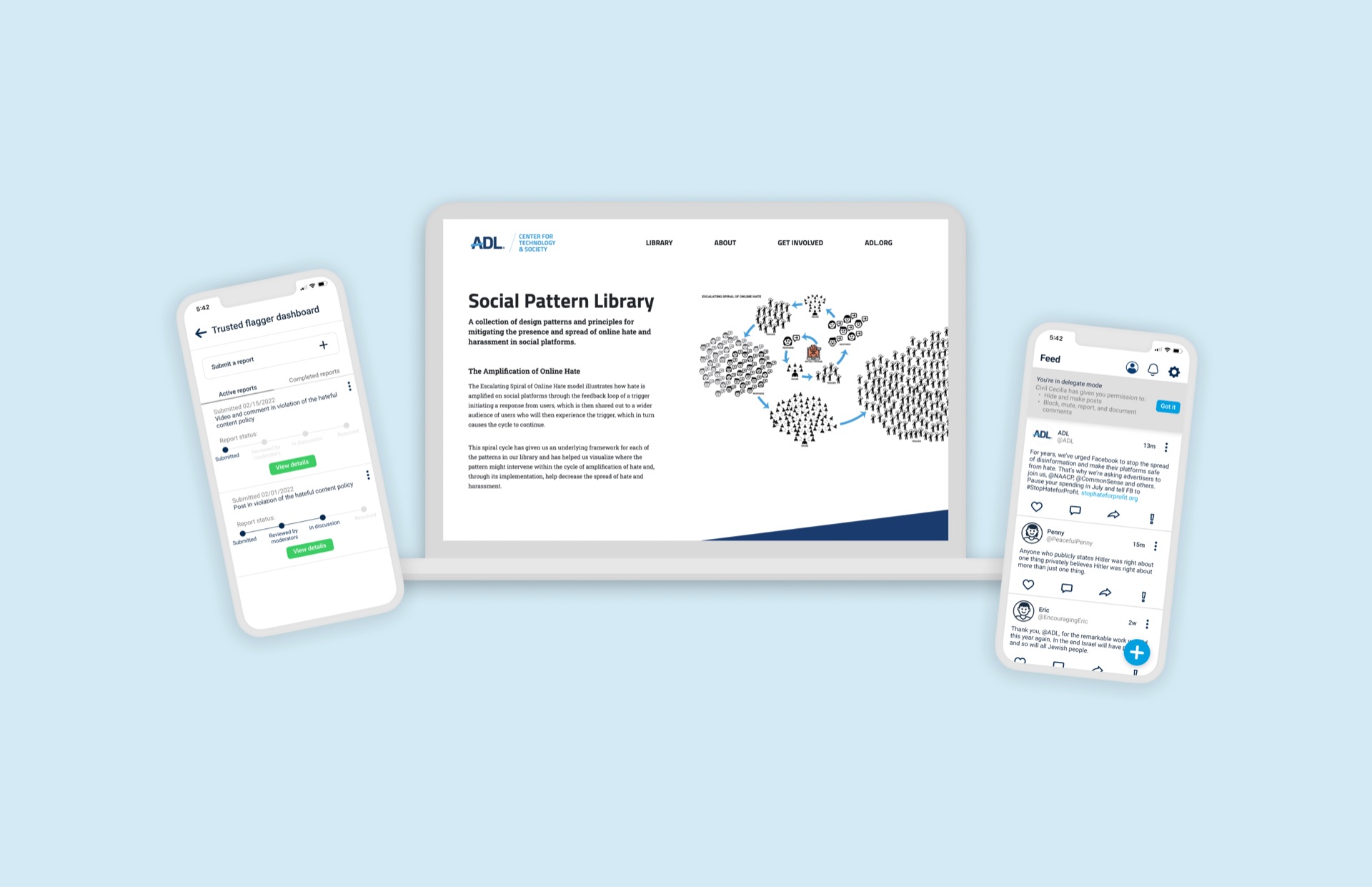
Social Pattern Library
25 UX patterns against online harassment, published publicly and cited in Congress.
Design System | Qualitative Research | Internship Project